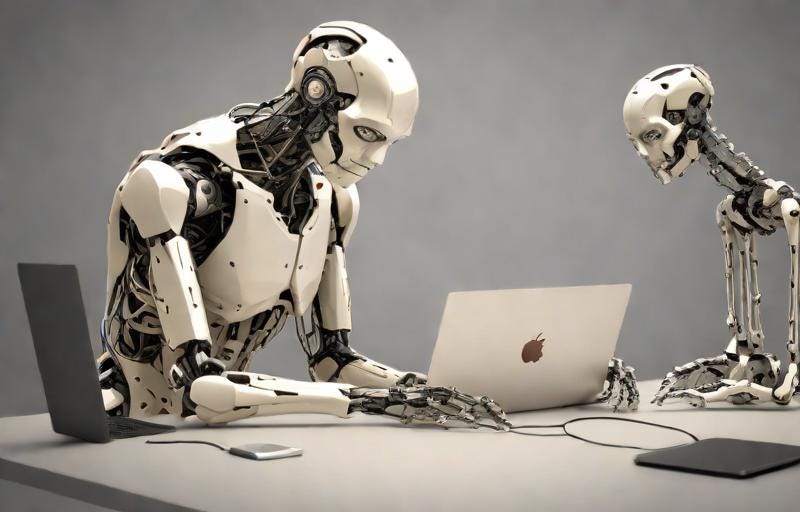
When ChatGPT, an AI chatbot capable of creating plausible answers and even rhyming poetry, was released in November 2022, Elon Musk tweeted: “It’s a new world. Goodbye, homework.
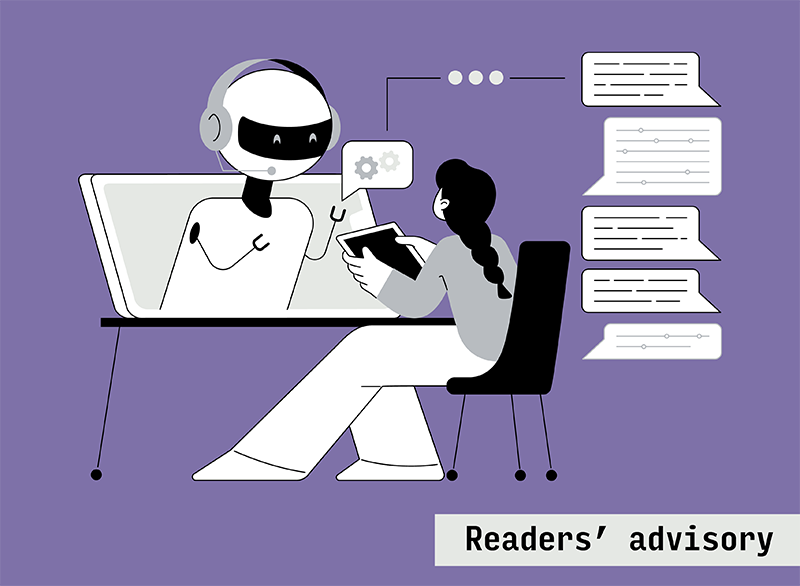
Generative AI can be a powerful tool for school librarians, especially when it comes to readers' advisory tasks. Finding efficient ways to engage students and promote reading is essential.
EXCITING NEWS JOIN US! Join us for an exciting and transformative mini virtual conference, "School Libraries and AI," designed specifically for school librarians and educators passionate about the future of library services.
Join our daily and weekly newsletters for the latest updates and exclusive content on industry-leading AI coverage. Learn More But with generative AI, this type of learning experience feels “tractable,” he noted.
Several people have spoken to me about not feeling qualified to talk to their students about AI. Such feelings aren’t limited to this emerging technology. For many, the imposter syndrome has become part of what it means to be a faculty member in higher education.
A study at the University of Reading revealed that AI-generated exam answers often go undetected by experienced exam markers, with 94% of such answers going unnoticed and achieving higher grades than student submissions.
The traditional college path to prosperity is facing a harsh reality check. Tuition costs have more than doubled in the past 25 years, while real wages have stagnated.
With the exciting news that ChatGPT has recently made all custom GPTs free, there has never been a better time to create your own AI tools tailored to your specific needs.
Broadly speaking, higher education institutions are no longer rejecting Generative AI tools such as ChatGPT. They are instead increasingly implementing AI chatbots and other tools to enhance the teaching and learning experience.
Eightball was meant to be an AI tool that turned coursework into study aids, like flashcards and practice tests. Its creators, Emory University undergrads, won Emory's pitch competition last year, earning a $10,000 grand prize and promotion from the university on its own social media channels.
Teachers can use these resources to model responsible AI use and show students how to experiment responsibly with the technology. Educators must stay informed, current, and ahead of the game (if possible) when it comes to emerging technologies.
Large language models (LLMs) that power chatbots like ChatGPT may be getting better at answering benchmark questions that measure mathematical reasoning. But this may actually be a bad thing. This is when data resembling benchmark questions leaks into training data.
The rapid rise of artificial intelligence appears to be taking a toll on the shares of online education companies Chegg and Coursera. Both stocks sank by more than 10% on Tuesday after issuing disappointing guidance in part because of students using AI tools such as ChatGPT.
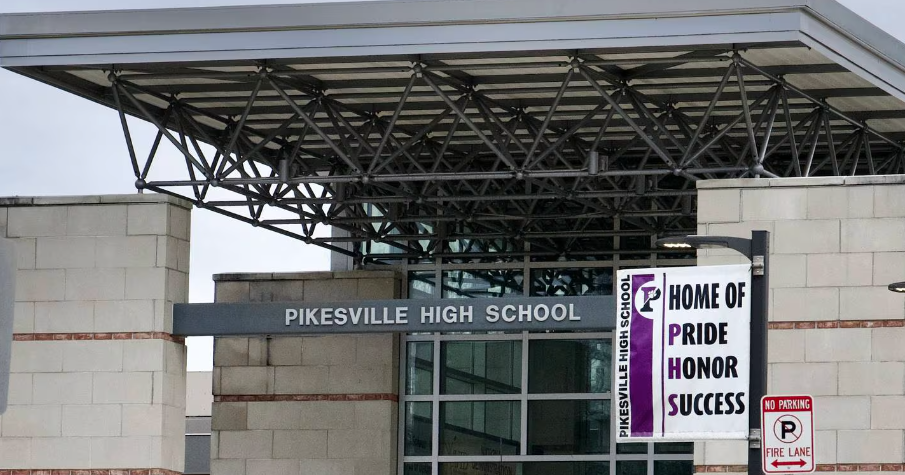
BALTIMORE -- Pikesville High School's former athletic director was arrested Thursday morning after allegedly using artificial intelligence to impersonate Principal Eric Eiswert in a recording that included racist and antisemitic comments about individuals at the school.
When considering generative AI in the classroom, many people think of its potential for students; however, teachers can benefit just as much from the technology, if not more.
Since the introduction of ChatGPT and generative AI, the main complaint I have heard from educators is that it will make it easier for students to cheat, and many educators believe this to be a fact.